Facilitation is still an art in the age of AI
11 Nov 2026You should be using AI tools to do everything from drafting your retro agenda to summarising last sprint’s tickets.
But facilitation remains an art.
You still have to read the room, spot who has gone quiet and find the real reason work keeps slipping.
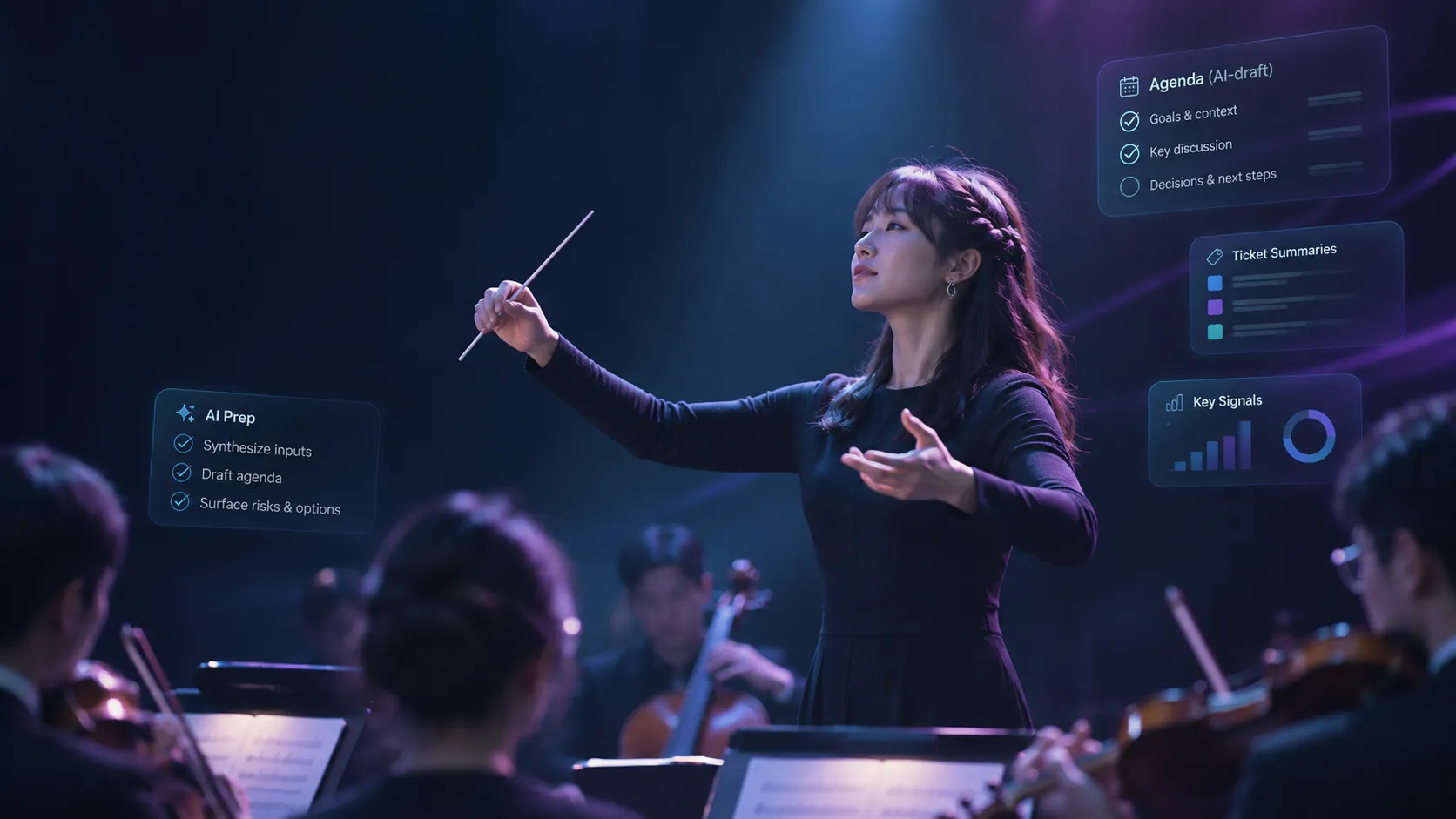
In 2022 I wrote that facilitation is an art, and compared a good facilitator to a conductor. The tools around the conductor have changed since then. The job in the room hasn’t.
The prep got easier
You can ask an AI tool to draft an agenda, suggest a retrospective format or summarise the tickets from last sprint. That can save you half an hour before a session and give you a few angles you wouldn’t have thought of.
Reading the room
Take a team that keeps carrying unfinished work into the next sprint. The ticket summary shows you the pattern. It won’t show you the cause.
You might assume a capacity problem and cut the scope of the next sprint. Ask the team and you may hear something else: requirements that keep changing, a dependency on another team that nobody has resolved, priorities that shift mid-sprint, or a worry someone hasn’t felt safe raising.
A good facilitator finds that out. They listen, they notice the tester who went quiet after the product owner spoke, and they know when to challenge an assumption, when to probe and when to leave a silence for someone to fill.
Why, when and how to ask
You can copy a list of retrospective questions from anywhere, and an AI tool will write you twenty more. Knowing why to ask one, when to ask it and how to phrase it comes from working with real teams. I wrote about the questions themselves in good questions protect the room.
In the session, you read the room, question the team’s assumptions and take responsibility for where the conversation goes. If it goes wrong, the team holds you to account, and they should.