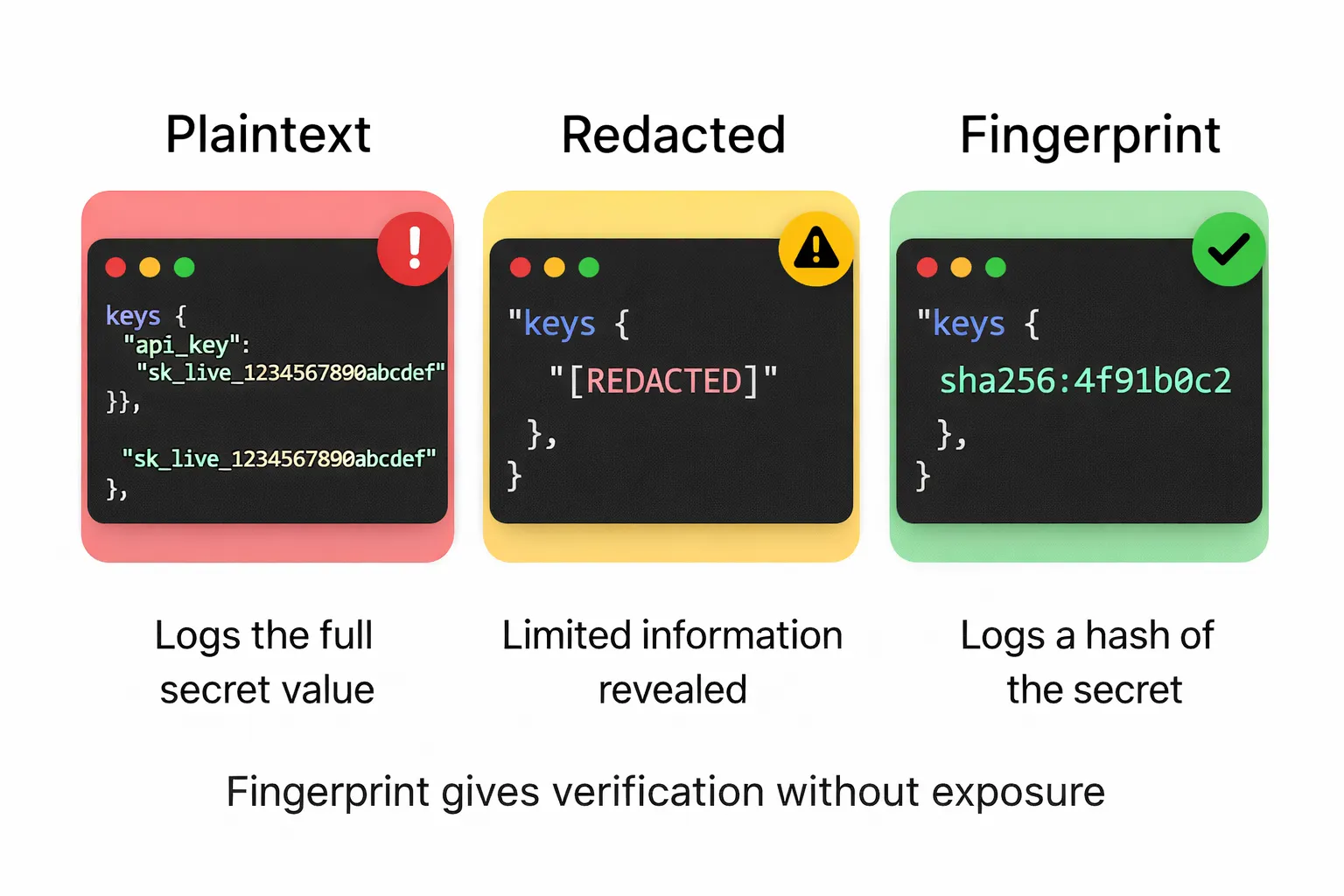
You may inadvertently expose sensitive information like database credentials and API keys as part of error messages, stack traces, and other forms of data returned to consuming clients.
He explains why process.env feels safe right up until it isn’t.
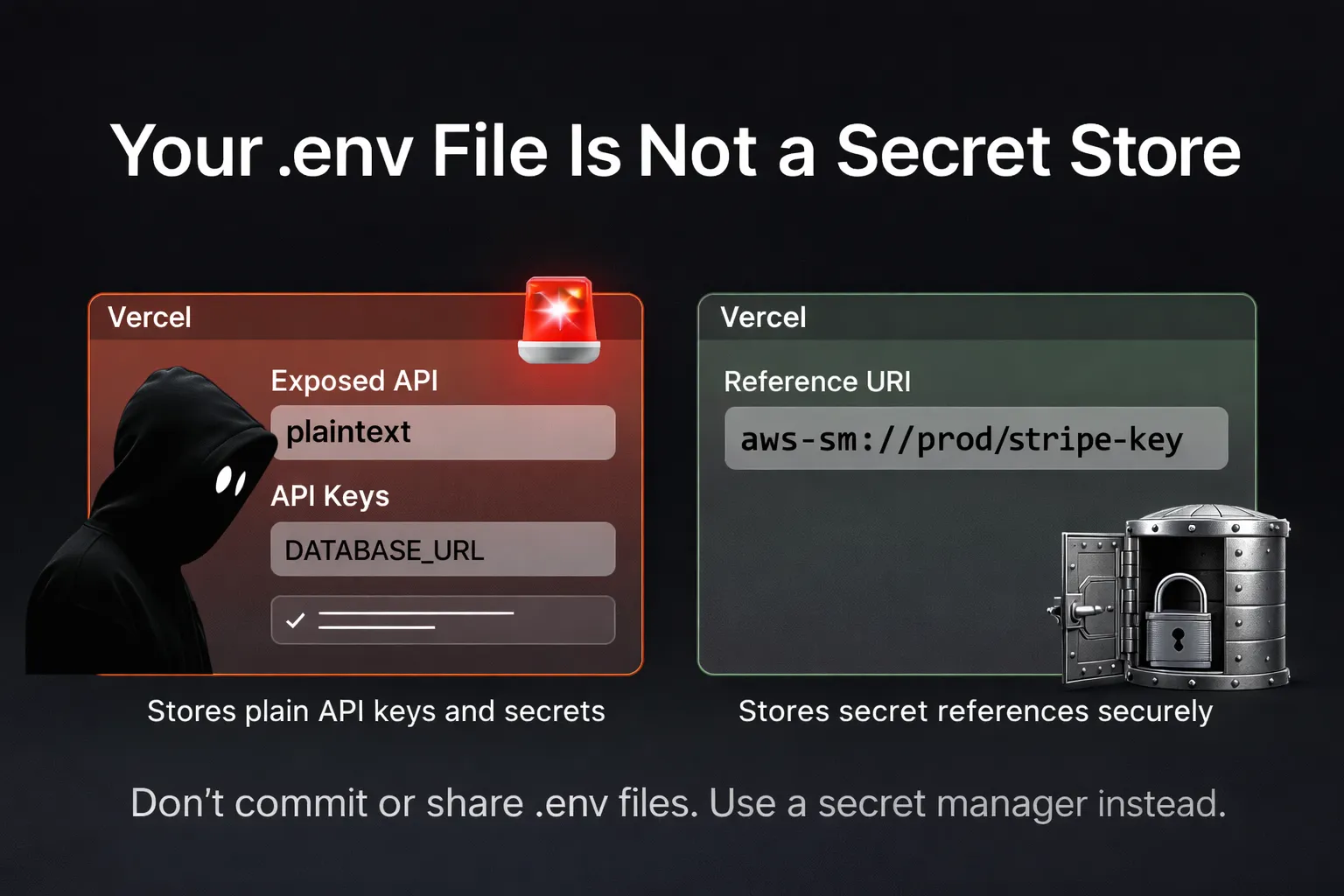
You add dotenv.config() on line one, scatter process.env.DB_PASSWORD across twelve files, then someone’s error reporter serialises a request object and your Stripe key ends up in a third-party log.
If you’ve shipped a Node app, you’ve probably seen some version of this happen.
On the 31st of March 2026, attackers hijacked an npm maintainer account and published malicious versions of axios with a remote access trojan baked in. npm pulled the bad releases after about two or three hours, but that was enough. Anyone who ran npm install axios during that window could have installed the trojan. The article Post Mortem: axios npm supply chain compromise has all the details.
This kind of attack keeps happening and the playbook barely changes: compromise an account, push a malicious update, hope people install it before anyone notices, get removed a few hours later.
Every major package manager now lets you defend against this. In this post I’ll show you the setup for npm, pnpm, Bun and Yarn.
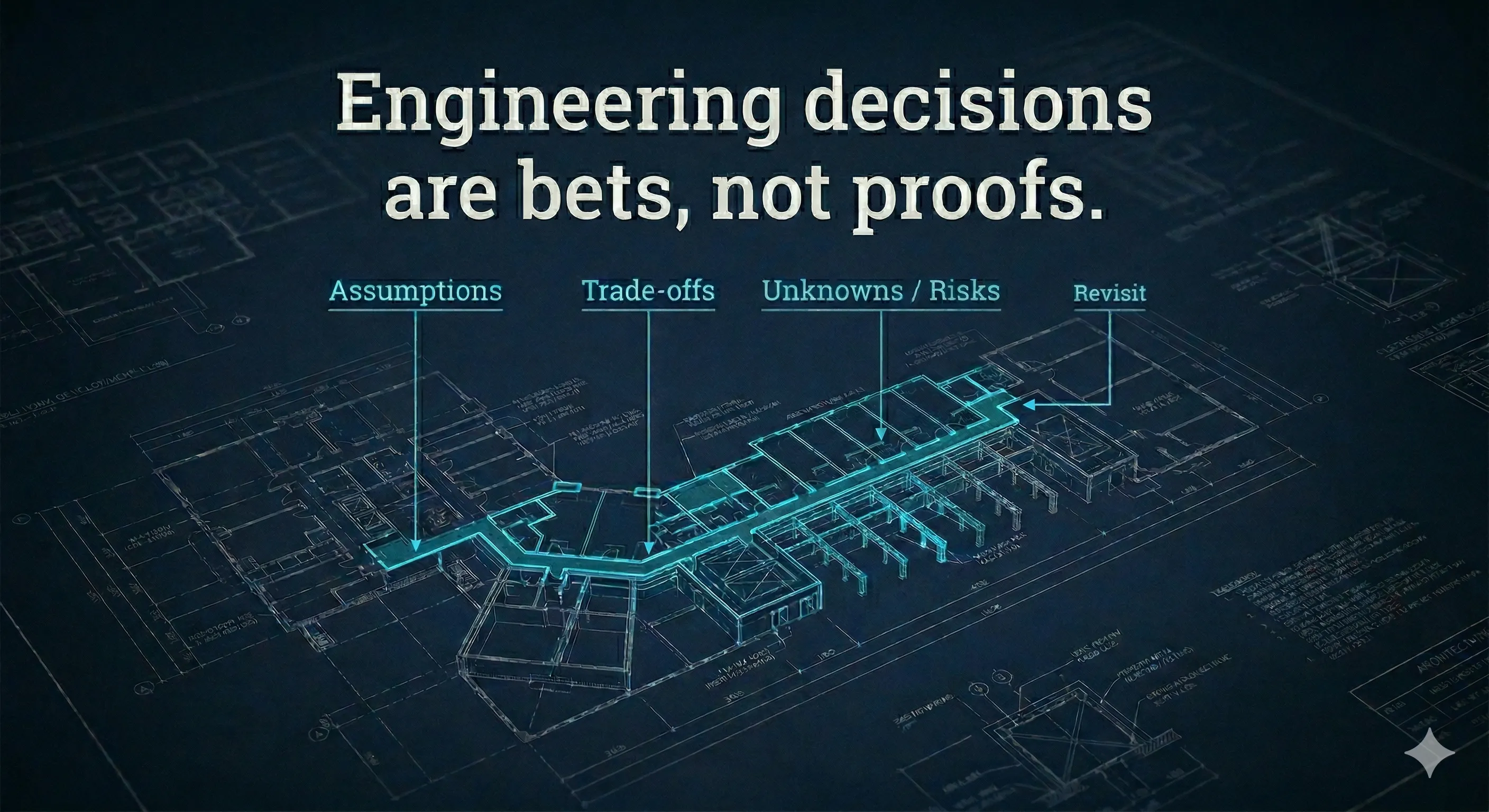
You choose a direction with incomplete information, under time pressure, and with trade-offs you cannot fully test in advance.
That does not make the decision weak.
It makes it real.
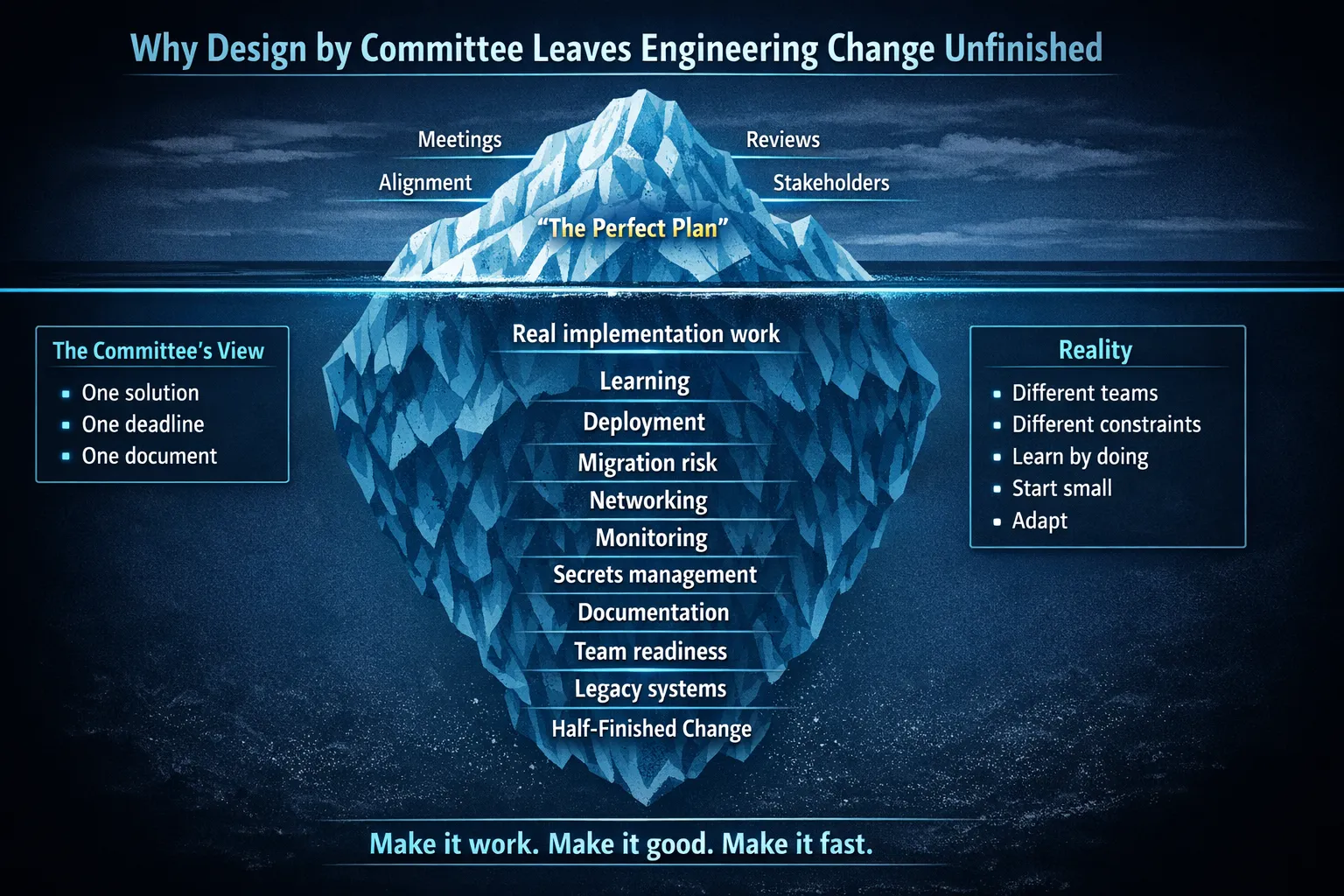
In a previous post, I wrote about how design by committee leaves engineering change unfinished. The deeper reason is simple: many organisations treat technical decisions as though they should be certain before the work begins. But most meaningful engineering decisions are not certainties. They are bets.
Engineering change often gets stuck for the same reason: design by committee. Not because anyone has bad intentions, but because the pursuit of alignment quietly replaces the pursuit of learning.
It usually starts with good intentions. People want alignment, consistency, and lower risk. So a proposed change gets pulled into more meetings, more reviews, more stakeholders. Before long, the goal is no longer to try something, learn from it, and improve it. The goal becomes finding one perfect solution for every team.
Strong opinions should be earned, not borrowed. If you want to propose a change, do the work first.
Understand the trade-offs before you walk into the room.
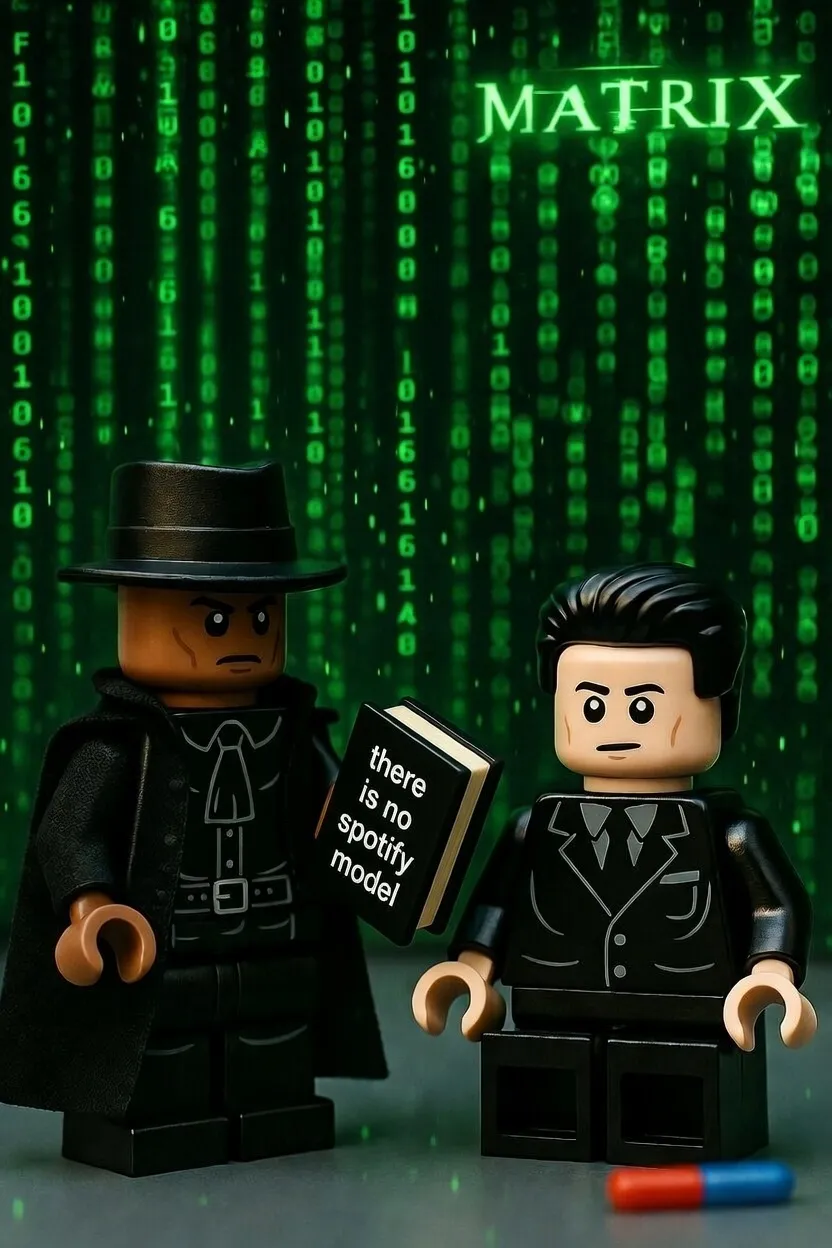
I see the same pattern again and again in software teams. Someone reads a blog post, watches a conference talk, picks up a new buzzword, or sees how a company like Spotify talks about working, and by the next meeting they are proposing that the whole team change how it works.
The idea often sounds compelling at first. But the moment you ask about the trade-offs, the case falls apart. There is no real research, no serious risk assessment, and no clear plan for what to do if the change creates new problems rather than solving the old ones.
That gap between enthusiasm and understanding is where teams get into trouble.
Just because two pieces of code look the same does not mean they are the same.
The most common architecture mistake is not too little abstraction. It is too much, too early. You see duplication, you extract a shared module, and six months later that module is a monster held together by special cases and boolean flags.
Dan Abramov gave a talk about this called The Wet Codebase. The core argument: the wrong abstraction is far more expensive than duplication. Once an abstraction exists, it creates inertia. Nobody wants to be the person who suggests copy-paste.
fn(args, deps) changes this calculus. It makes abstractions cheap to create, cheap to test, and cheap to undo.
When a function’s deps grow too large, that can be a signal that some responsibility has stabilized into its own function — and that new function itself follows fn(args, deps). (This is basically SRP pressure showing up in your signature; see the SOLID post for that framing.)
Russian dolls. Each layer independently testable. Each layer reversible.